 https://s3-eu-central-1.amazonaws.com/aarchdk/wp-content/uploads/2019/02/03164631/aarch-logo-dark.svg
0
0
apparat
https://s3-eu-central-1.amazonaws.com/aarchdk/wp-content/uploads/2019/02/03164631/aarch-logo-dark.svg
apparat2026-10-06 15:37:162026-10-06 15:37:16Sara Winther
https://s3-eu-central-1.amazonaws.com/aarchdk/wp-content/uploads/2019/02/03164631/aarch-logo-dark.svg
0
0
apparat
https://s3-eu-central-1.amazonaws.com/aarchdk/wp-content/uploads/2019/02/03164631/aarch-logo-dark.svg
apparat2026-10-06 15:37:162026-10-06 15:37:16Sara WintherSociety is continuously undergoing profound demographic changes. The fundamental difference between a societal transition in the past and today is the speed thereof. The implications for the built environment of such changes are conspicuous, exemplified by a rapidly increasing number of decaying buildings emptied of function.
Consequently, building transformation as an architectural discipline is gaining ground worldwide. Sustainability remains an important but implicit element in building transformation that relies on the reuse of what is often considered obsolete. In other words, there is an urgent need to develop new methods to address buildings from the recent past through adaptive reuse.
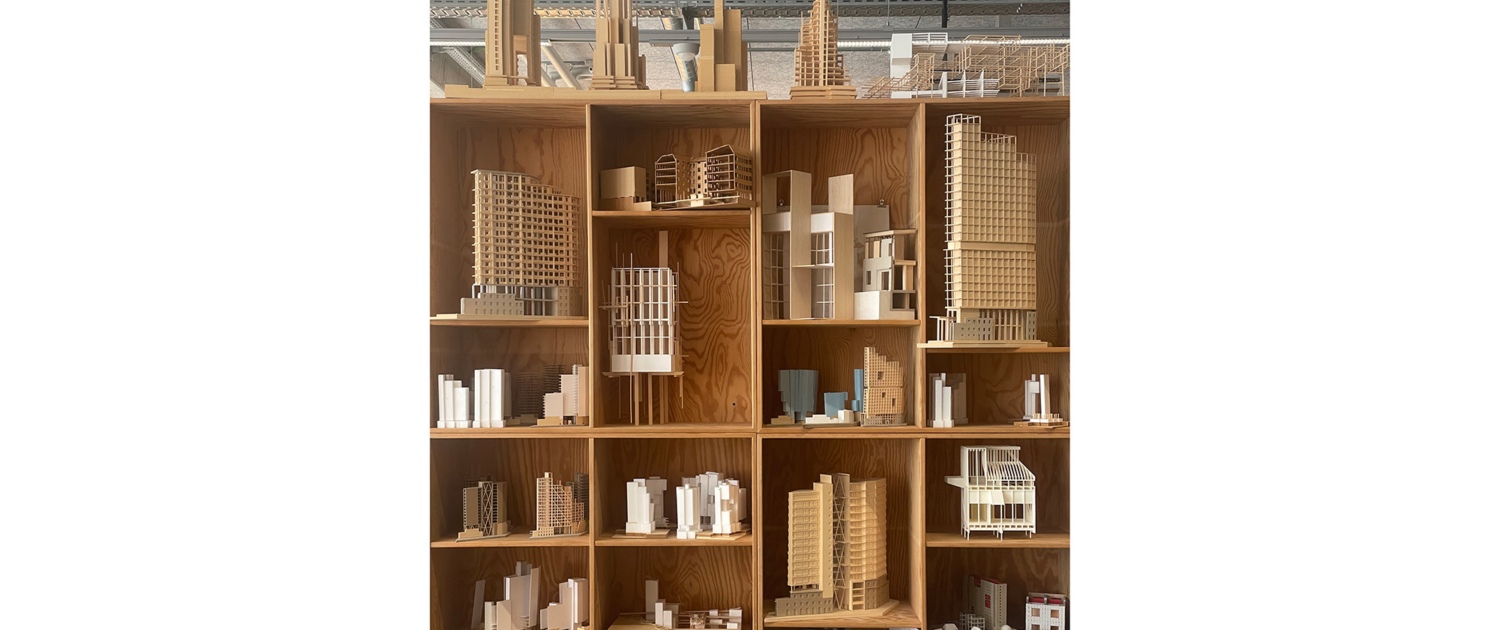
Building Transformation (1C) concentrates mainly on the built environments of the recent past, representing a wide variety of scales and contexts, thus ranging from industrial plants emptied of function to smaller obsolete buildings and structures of everyday life. The studio operates within both urban and rural settings, domestically and abroad. Building Transformation (1C) focuses on an increased awareness of what is already there. Hence, existing built environments are considered spatial-material palimpsests. They comprise historical narratives of the buildings and the place to which students project work is intended to add new layers.
In Building Transformation (1C), a programmatic pragmatism is considered crucial. Therefore, each assignment will involve re-programming or a partly predetermined program. Either way, the programmatic aspects are rooted in the actual context and society in general.
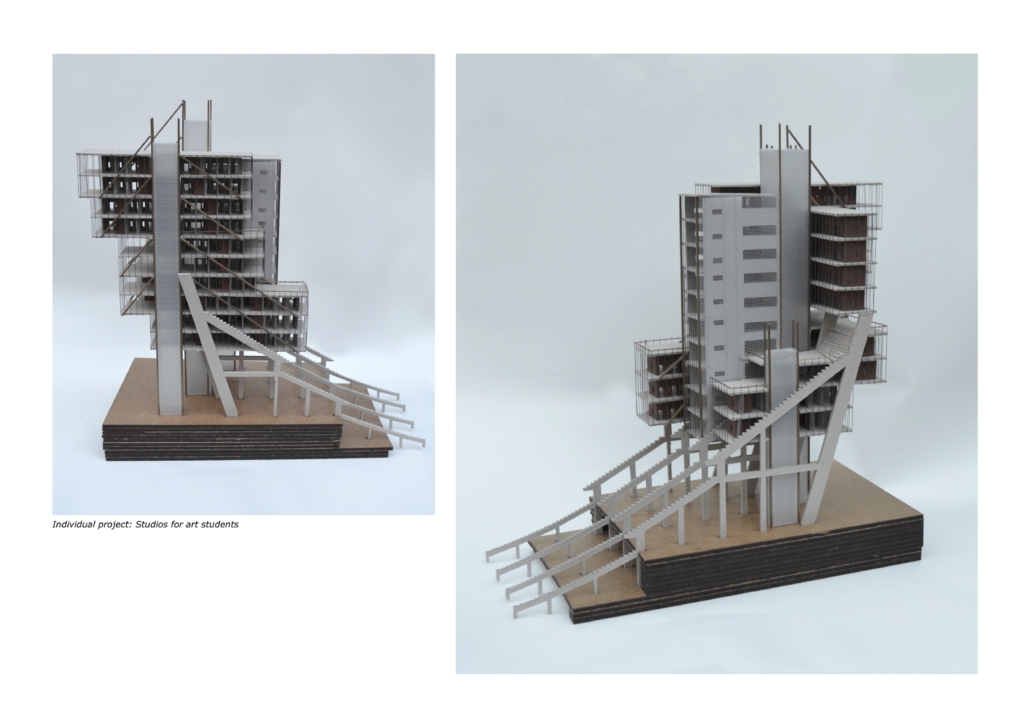
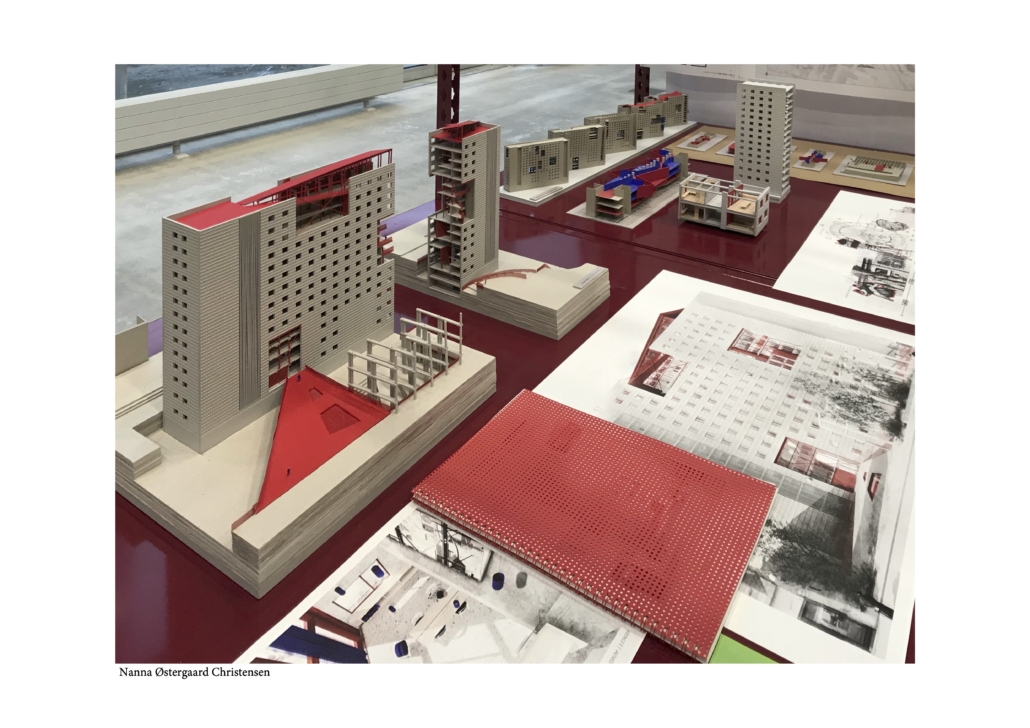
Building transformation is generally approached from defined boundaries, either within urban or landscape contexts. From then on, the focus has shifted towards transformation at a building scale. The latter necessitates particular attention to the interplay of spatiality, materiality, and tectonic principles arising from the encounter between the existing architecture and the added structures.
The development and testing of either new experimental approaches to building transformation or the refinement of already established methods in individual project work is considered of utmost importance. Thus, Studio Transformation aims for variety and covers both conventional programmatic conversions of buildings and the radical preservation of buildings through experimental artistic or temporary strategies. The studio will, to some extent, encourage radical transformation due to the nature of the chosen project sites.
This studio is primarily taught in English.
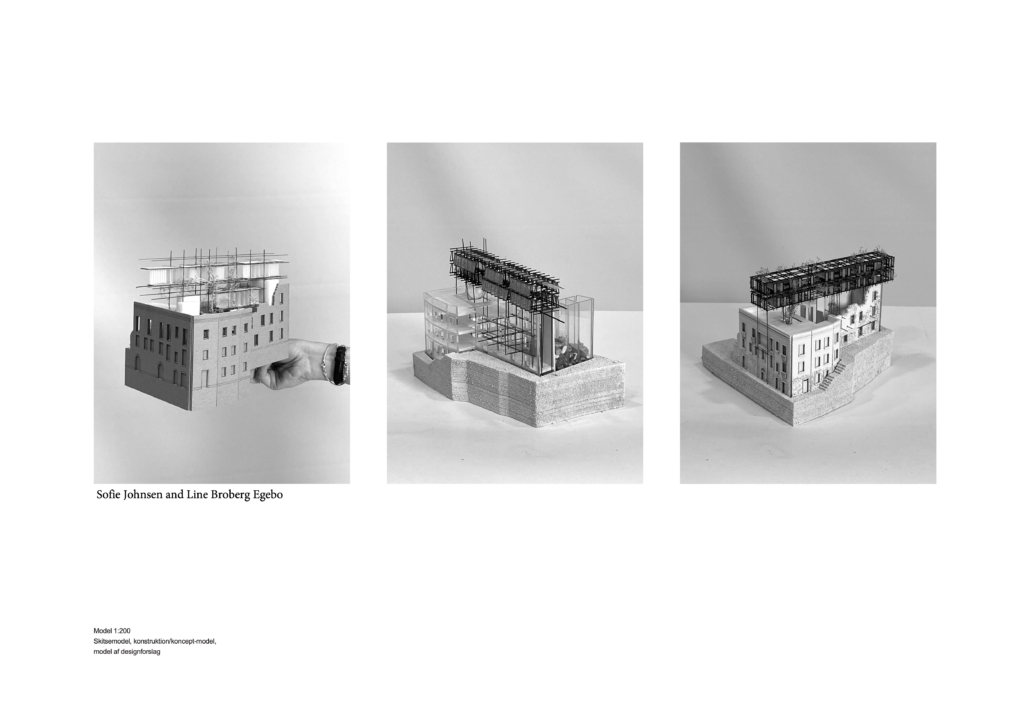
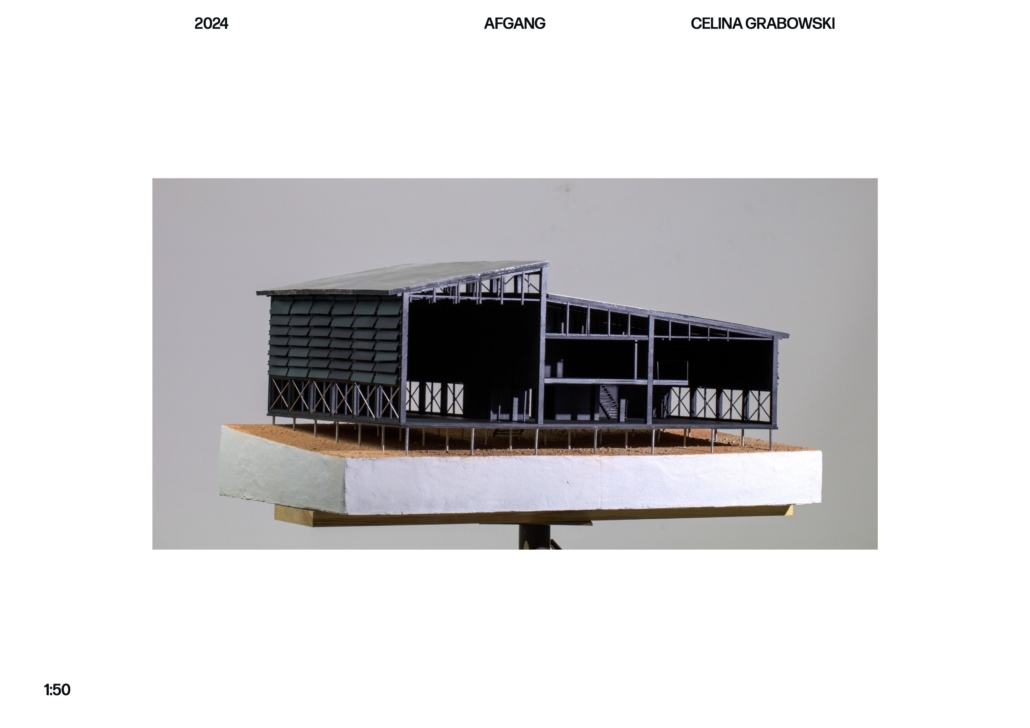
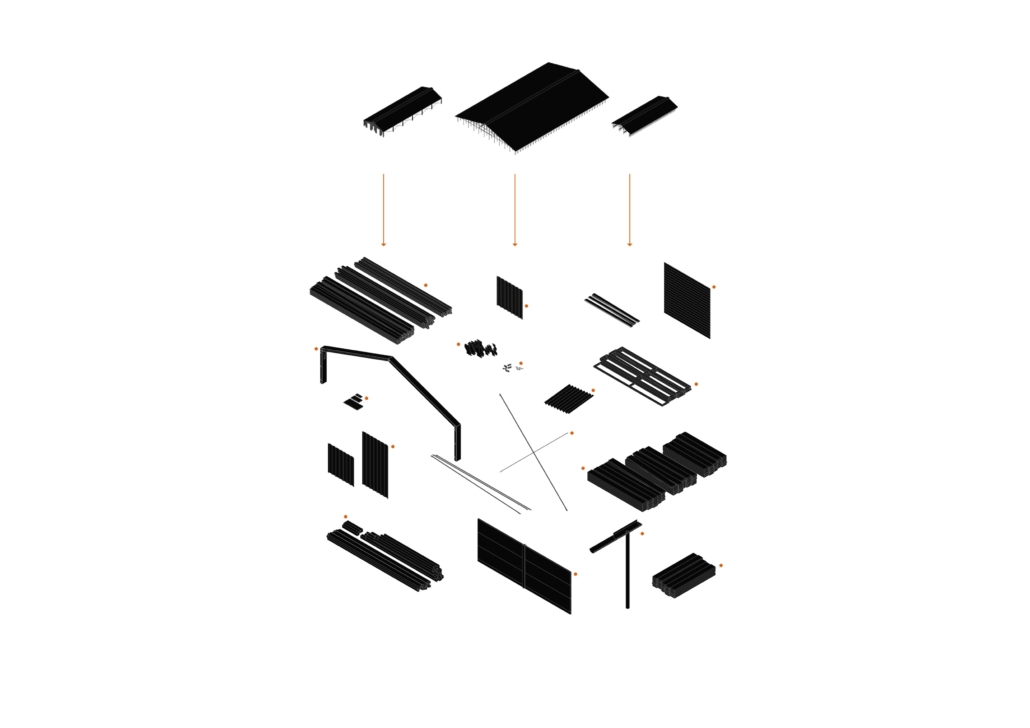
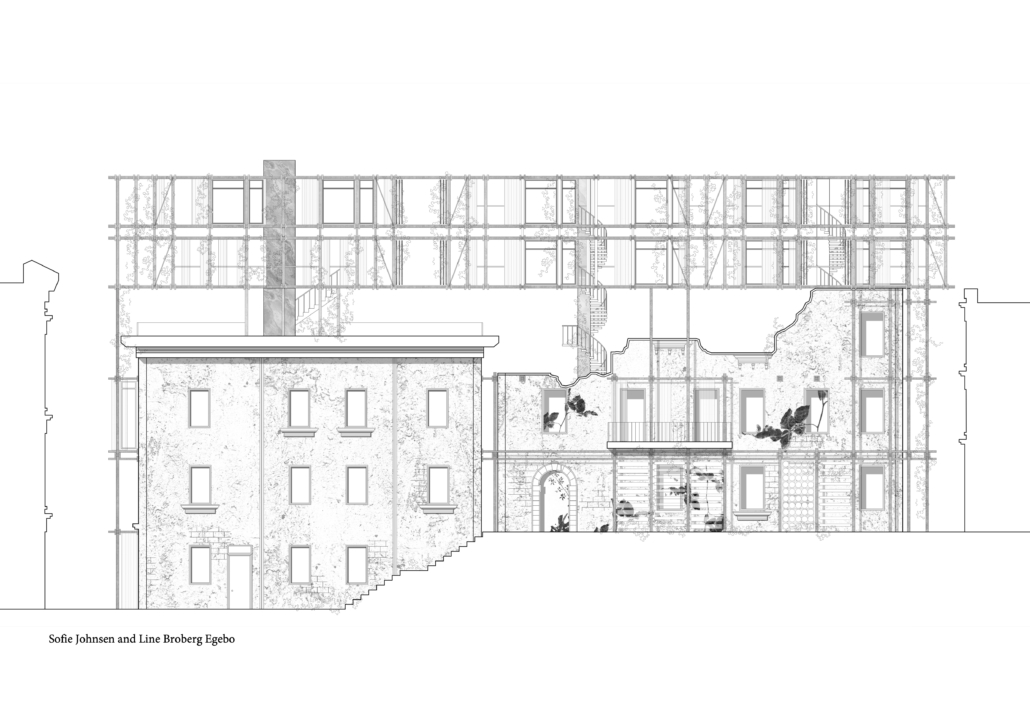
CONTACT
https://s3-eu-central-1.amazonaws.com/aarchdk/wp-content/uploads/2019/02/03164631/aarch-logo-dark.svg
0
0
apparat
https://s3-eu-central-1.amazonaws.com/aarchdk/wp-content/uploads/2019/02/03164631/aarch-logo-dark.svg
apparat2026-10-06 15:37:162026-10-06 15:37:16Sara Winther https://aarch.dk/wp-content/uploads/2026/10/download-151.jpg
400
400
apparat
https://s3-eu-central-1.amazonaws.com/aarchdk/wp-content/uploads/2019/02/03164631/aarch-logo-dark.svg
apparat2026-10-06 15:34:562026-10-06 15:34:56Leif Høgfeldt Hansen
https://s3-eu-central-1.amazonaws.com/aarchdk/wp-content/uploads/2019/02/03164631/aarch-logo-dark.svg
0
0
apparat
https://s3-eu-central-1.amazonaws.com/aarchdk/wp-content/uploads/2019/02/03164631/aarch-logo-dark.svg
apparat2026-10-06 15:34:072026-10-06 15:34:07Kari Moseng
https://aarch.dk/wp-content/uploads/2026/10/download-151.jpg
400
400
apparat
https://s3-eu-central-1.amazonaws.com/aarchdk/wp-content/uploads/2019/02/03164631/aarch-logo-dark.svg
apparat2026-10-06 15:34:562026-10-06 15:34:56Leif Høgfeldt Hansen
https://s3-eu-central-1.amazonaws.com/aarchdk/wp-content/uploads/2019/02/03164631/aarch-logo-dark.svg
0
0
apparat
https://s3-eu-central-1.amazonaws.com/aarchdk/wp-content/uploads/2019/02/03164631/aarch-logo-dark.svg
apparat2026-10-06 15:34:072026-10-06 15:34:07Kari Moseng https://aarch.dk/wp-content/uploads/2026/10/download-140.jpg
400
400
apparat
https://s3-eu-central-1.amazonaws.com/aarchdk/wp-content/uploads/2019/02/03164631/aarch-logo-dark.svg
apparat2026-10-06 15:33:442026-10-06 15:33:45Jon Andersen
https://aarch.dk/wp-content/uploads/2026/10/download-120.jpg
400
400
apparat
https://s3-eu-central-1.amazonaws.com/aarchdk/wp-content/uploads/2019/02/03164631/aarch-logo-dark.svg
apparat2026-10-06 15:32:132026-10-06 15:32:13Charlotte Bundgaard
https://aarch.dk/wp-content/uploads/2026/10/download-140.jpg
400
400
apparat
https://s3-eu-central-1.amazonaws.com/aarchdk/wp-content/uploads/2019/02/03164631/aarch-logo-dark.svg
apparat2026-10-06 15:33:442026-10-06 15:33:45Jon Andersen
https://aarch.dk/wp-content/uploads/2026/10/download-120.jpg
400
400
apparat
https://s3-eu-central-1.amazonaws.com/aarchdk/wp-content/uploads/2019/02/03164631/aarch-logo-dark.svg
apparat2026-10-06 15:32:132026-10-06 15:32:13Charlotte BundgaardRelateret
MÅSKE ER DU OGSÅ INTERESSERET I DETTE
RELATERET INDHOLD
 https://aarch.dk/wp-content/uploads/2018/10/Studio-1B.png
1072
1080
Signe Janderup
https://s3-eu-central-1.amazonaws.com/aarchdk/wp-content/uploads/2019/02/03164631/aarch-logo-dark.svg
Signe Janderup2024-09-30 08:16:532026-08-26 11:25:50Architectural Heritage (1B)
https://aarch.dk/wp-content/uploads/2018/10/Studio-1B.png
1072
1080
Signe Janderup
https://s3-eu-central-1.amazonaws.com/aarchdk/wp-content/uploads/2019/02/03164631/aarch-logo-dark.svg
Signe Janderup2024-09-30 08:16:532026-08-26 11:25:50Architectural Heritage (1B)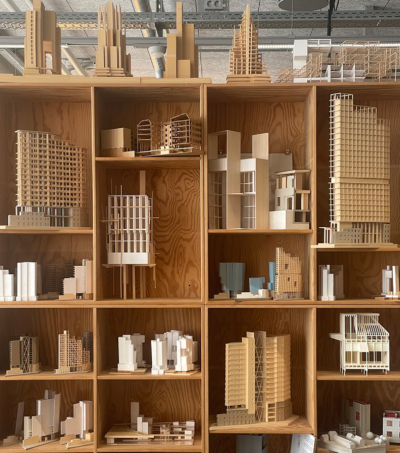 https://aarch.dk/wp-content/uploads/2018/10/models-1C-bred_lowres.jpg
911
2000
Signe Janderup
https://s3-eu-central-1.amazonaws.com/aarchdk/wp-content/uploads/2019/02/03164631/aarch-logo-dark.svg
Signe Janderup2024-09-29 13:18:482026-08-26 12:19:42Studio 1C: Transformation
https://aarch.dk/wp-content/uploads/2018/10/models-1C-bred_lowres.jpg
911
2000
Signe Janderup
https://s3-eu-central-1.amazonaws.com/aarchdk/wp-content/uploads/2019/02/03164631/aarch-logo-dark.svg
Signe Janderup2024-09-29 13:18:482026-08-26 12:19:42Studio 1C: Transformation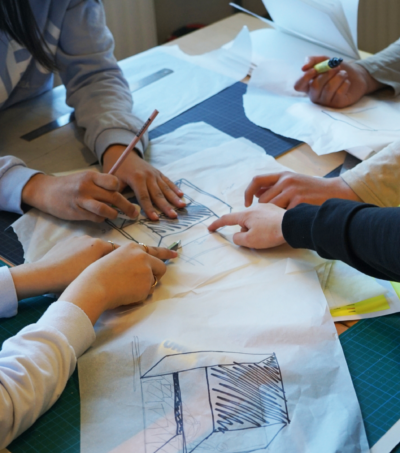 https://aarch.dk/wp-content/uploads/2024/04/Esbjerg_typo3_Rumgehoer.png
1080
1920
Mads
https://s3-eu-central-1.amazonaws.com/aarchdk/wp-content/uploads/2019/02/03164631/aarch-logo-dark.svg
Mads2024-09-28 10:57:312026-08-26 12:50:20URBAN (1D)
https://aarch.dk/wp-content/uploads/2024/04/Esbjerg_typo3_Rumgehoer.png
1080
1920
Mads
https://s3-eu-central-1.amazonaws.com/aarchdk/wp-content/uploads/2019/02/03164631/aarch-logo-dark.svg
Mads2024-09-28 10:57:312026-08-26 12:50:20URBAN (1D)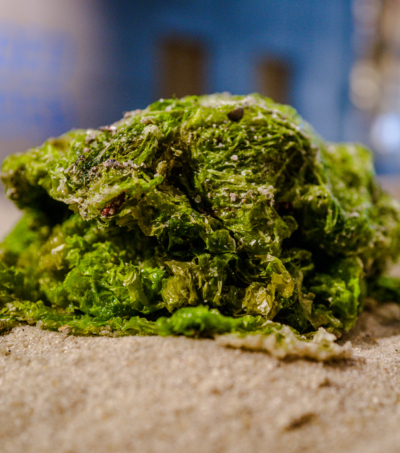 https://aarch.dk/wp-content/uploads/2026/01/Lol-15-maj-04-scaled.jpg
1708
2560
Signe Janderup
https://s3-eu-central-1.amazonaws.com/aarchdk/wp-content/uploads/2019/02/03164631/aarch-logo-dark.svg
Signe Janderup2024-09-26 13:52:272026-08-26 13:06:57Emerging Landscapes (1F)
https://aarch.dk/wp-content/uploads/2026/01/Lol-15-maj-04-scaled.jpg
1708
2560
Signe Janderup
https://s3-eu-central-1.amazonaws.com/aarchdk/wp-content/uploads/2019/02/03164631/aarch-logo-dark.svg
Signe Janderup2024-09-26 13:52:272026-08-26 13:06:57Emerging Landscapes (1F)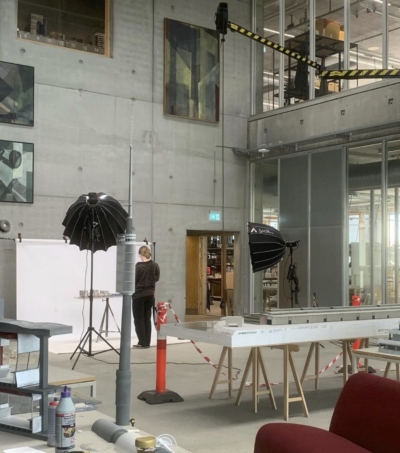 https://aarch.dk/wp-content/uploads/2024/09/SS25-Alter-dragged-scaled.jpg
2560
1810
Signe Janderup
https://s3-eu-central-1.amazonaws.com/aarchdk/wp-content/uploads/2019/02/03164631/aarch-logo-dark.svg
Signe Janderup2024-09-25 13:26:052026-08-26 13:11:56Spatial Systems (2A)
https://aarch.dk/wp-content/uploads/2024/09/SS25-Alter-dragged-scaled.jpg
2560
1810
Signe Janderup
https://s3-eu-central-1.amazonaws.com/aarchdk/wp-content/uploads/2019/02/03164631/aarch-logo-dark.svg
Signe Janderup2024-09-25 13:26:052026-08-26 13:11:56Spatial Systems (2A)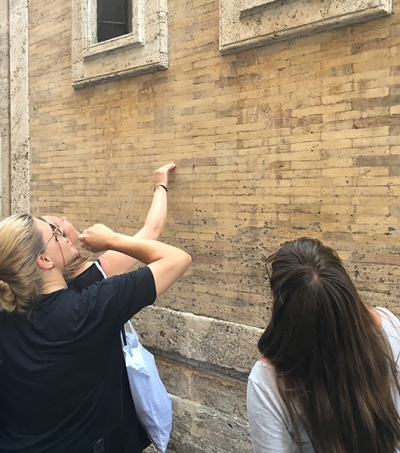 https://aarch.dk/wp-content/uploads/2018/11/Studio-2C-study-trip_800px.jpg
600
800
Signe Janderup
https://s3-eu-central-1.amazonaws.com/aarchdk/wp-content/uploads/2019/02/03164631/aarch-logo-dark.svg
Signe Janderup2024-09-14 12:47:352026-08-26 13:14:46Tectonics of Habitation (2C)
https://aarch.dk/wp-content/uploads/2018/11/Studio-2C-study-trip_800px.jpg
600
800
Signe Janderup
https://s3-eu-central-1.amazonaws.com/aarchdk/wp-content/uploads/2019/02/03164631/aarch-logo-dark.svg
Signe Janderup2024-09-14 12:47:352026-08-26 13:14:46Tectonics of Habitation (2C) https://aarch.dk/wp-content/uploads/2024/09/Foto-2.jpg
2048
2048
Mads
https://s3-eu-central-1.amazonaws.com/aarchdk/wp-content/uploads/2019/02/03164631/aarch-logo-dark.svg
Mads2022-10-25 11:11:002026-08-27 10:18:40Material Tectonics (2E)
https://aarch.dk/wp-content/uploads/2024/09/Foto-2.jpg
2048
2048
Mads
https://s3-eu-central-1.amazonaws.com/aarchdk/wp-content/uploads/2019/02/03164631/aarch-logo-dark.svg
Mads2022-10-25 11:11:002026-08-27 10:18:40Material Tectonics (2E) https://aarch.dk/wp-content/uploads/2018/09/image001.jpg
1819
1819
Signe Janderup
https://s3-eu-central-1.amazonaws.com/aarchdk/wp-content/uploads/2019/02/03164631/aarch-logo-dark.svg
Signe Janderup2018-09-14 13:39:242026-08-26 13:32:37Ecological Reimagination (3)
https://aarch.dk/wp-content/uploads/2018/09/image001.jpg
1819
1819
Signe Janderup
https://s3-eu-central-1.amazonaws.com/aarchdk/wp-content/uploads/2019/02/03164631/aarch-logo-dark.svg
Signe Janderup2018-09-14 13:39:242026-08-26 13:32:37Ecological Reimagination (3)