WHY A COOPERATIVE?
Mid-conversation, we returned to the essence of cooperative practice. I asked how they work collectively, what that means in practice, and why they chose this approach. As they spoke, I found myself reflecting on all the reasons I originally wanted to become an architect. I thought about the image of the star architect, the solo genius with a studio behind him, and I asked myself, why does it have to be like that? We rarely acknowledge the many people working late nights on models, renders, and presentations who never get credit. Lacol wants to shift this perception of what an architectural firm can be.
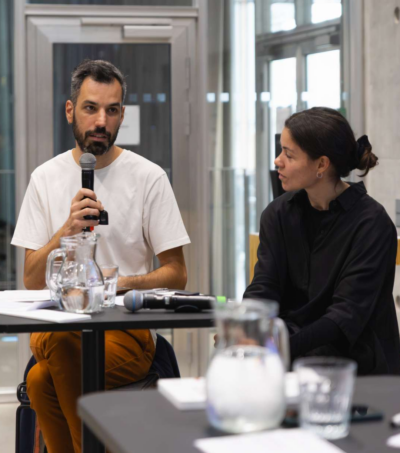
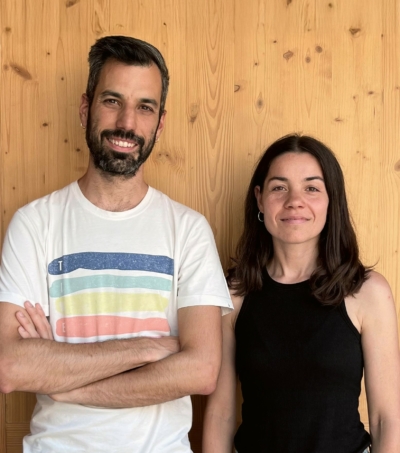
Carles shared a thought that many students may relate to: “We were young students, the image of an architecture studio was this super big star, one guy who had 100 employees hidden behind him. We kind of wanted to escape from that, creating this more horizontal organisation and also more fair.” Some warned Carles and Cristina not to make it a cooperative, fearing it would be too difficult to make decisions. But they turned that idea around, saying it would be harder to carry that burden alone. They found it easier and more sustainable to share responsibility. Each member brings different strengths. Carles, for instance, studied sociology and focuses on community engagement and research. Cristina leads design projects and visits construction sites. “Working together actually made things easier for us and was the key for success, which otherwise we probably would not have succeeded or we would have had a bigger chance of failure and that makes it even harder knowing that especially in the moment that we started.”
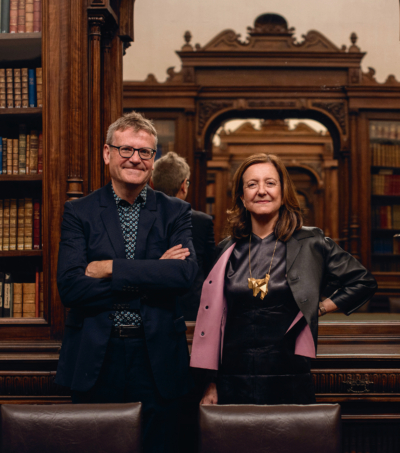
Their collective structure has its challenges. For example, when Cristina and Carles were announced as speakers for OPEN, Cristina asked why there wasn’t a collective photo instead. People often want to know who specifically designed a project like La Borda. “We sometimes have people asking who was designing La Borda? Who is the name? We want to talk with that one. In a certain moment it’s like it’s a collective word.” They explained that even at the Architects Association, where they must sign under collective insurance, the system isn’t designed for collective authorship. Having 11 names on a project confuses people. They consider this a battle, trying to make collective authorship visible. That is why they don’t feel comfortable highlighting individual names within the cooperative.

 Muhsin Akgün

 Les Kaner