With a new grant from the Independent Research Fund Denmark, a research network will begin examining how maintenance practices in four post-war housing estates in Denmark, Germany, Spain, and Croatia can inform each other. The project is titled Cultures of Maintenance in Post-War European Social Housing.
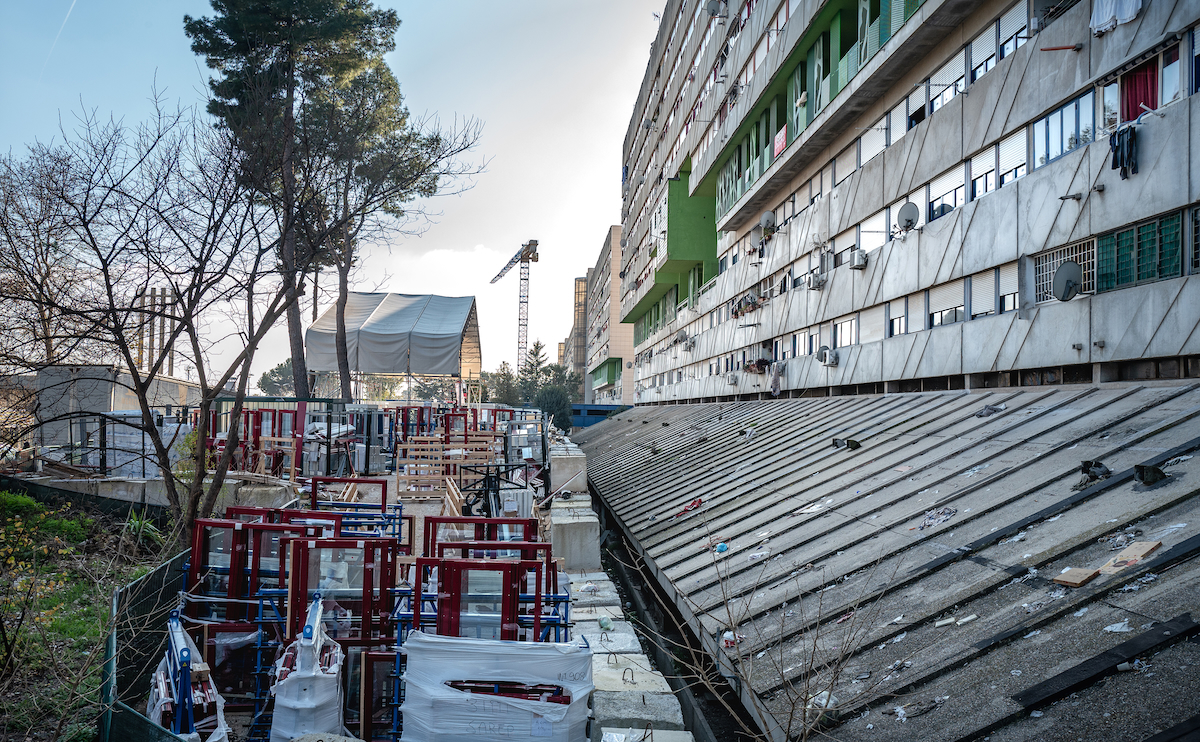
“This type of housing area is under pressure on several fronts, for example climate-related and social challenges. It is expensive to repair the old buildings, and the areas are stigmatized. Often it ends with demolition, resulting in fewer affordable homes. But there is great potential in engaging residents and building communities around maintenance—and thereby solving both technical and social problems,” says Associate Professor Ruth Baumeister from Aarhus School of Architecture.
Multiple Perspectives, Shared Goals
It is precisely the connection between technical and social problems that leads the network to bring together a range of professionals—an anthropologist, a historian, a political scientist, and several architects—to examine the subject from different angles.
Through joint workshops and seminars in the four selected estates, the group will explore the challenges and potentials of maintenance, and will then be able to advise authorities and share new insights with stakeholders inside and outside social housing areas.
“Architecture is not only a technical and artistic discipline but also holds great social potential. We will compare cultures of repair, connect formal and informal maintenance practices, and develop strategies for sustainable, inclusive, and resilient housing,” says Associate Professor Carolina Dayer from Aarhus School of Architecture.
Facts
- In Denmark, it has not yet been decided which housing area will be selected for the study. In Spain, it will be Unidad Vecinal 3 in A Coruña, in Germany Rollebergsiedlung in Berlin, and in Croatia it will be Mamutica in Zagreb.
- The grant from the Independent Research Fund Denmark covers the network’s work through 2028. In total, 16 researchers from the four participating countries are involved.
- From Aarhus School of Architecture, the participants are Associate Professor Ruth Baumeister, Associate Professor Carolina Dayer, Assistant Professor Sidse Martens Gudmand-Høyer, Associate Professor Nuria Casais, and Professor Tom Nielsen.