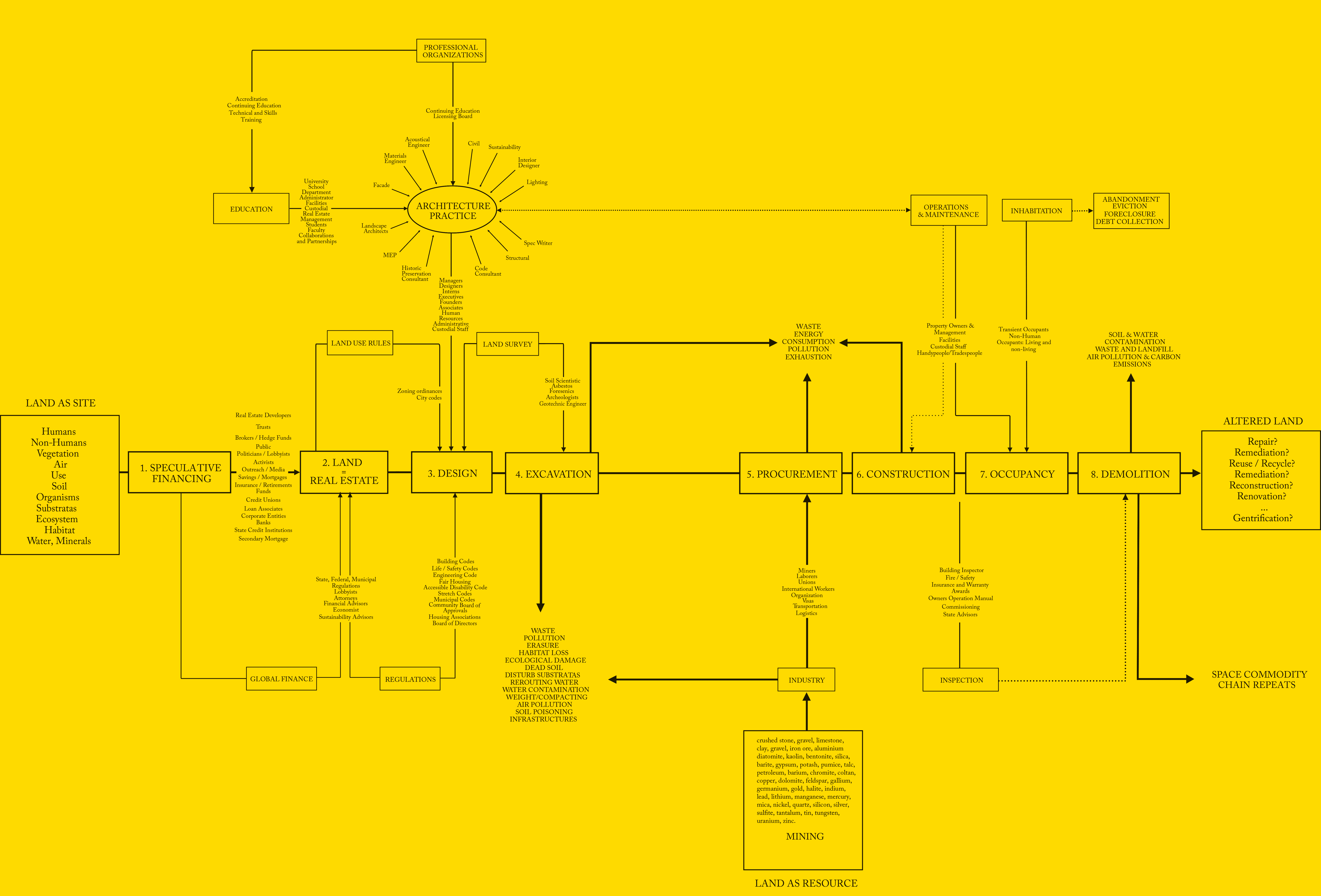
C: Demolition is so problematic in many ways. I talk about carbon myopia, a term I use to articulate a critique of carbon being the only metric and argument we bring up for why we shouldn’t demolish. It’s true: if your building is old enough, it has basically repaid its carbon costs. In that sense, it’s good as is, and you shouldn’t demolish it. Demolishing releases that embodied carbon, both literally and in accounting terms, and we simply can’t afford that.
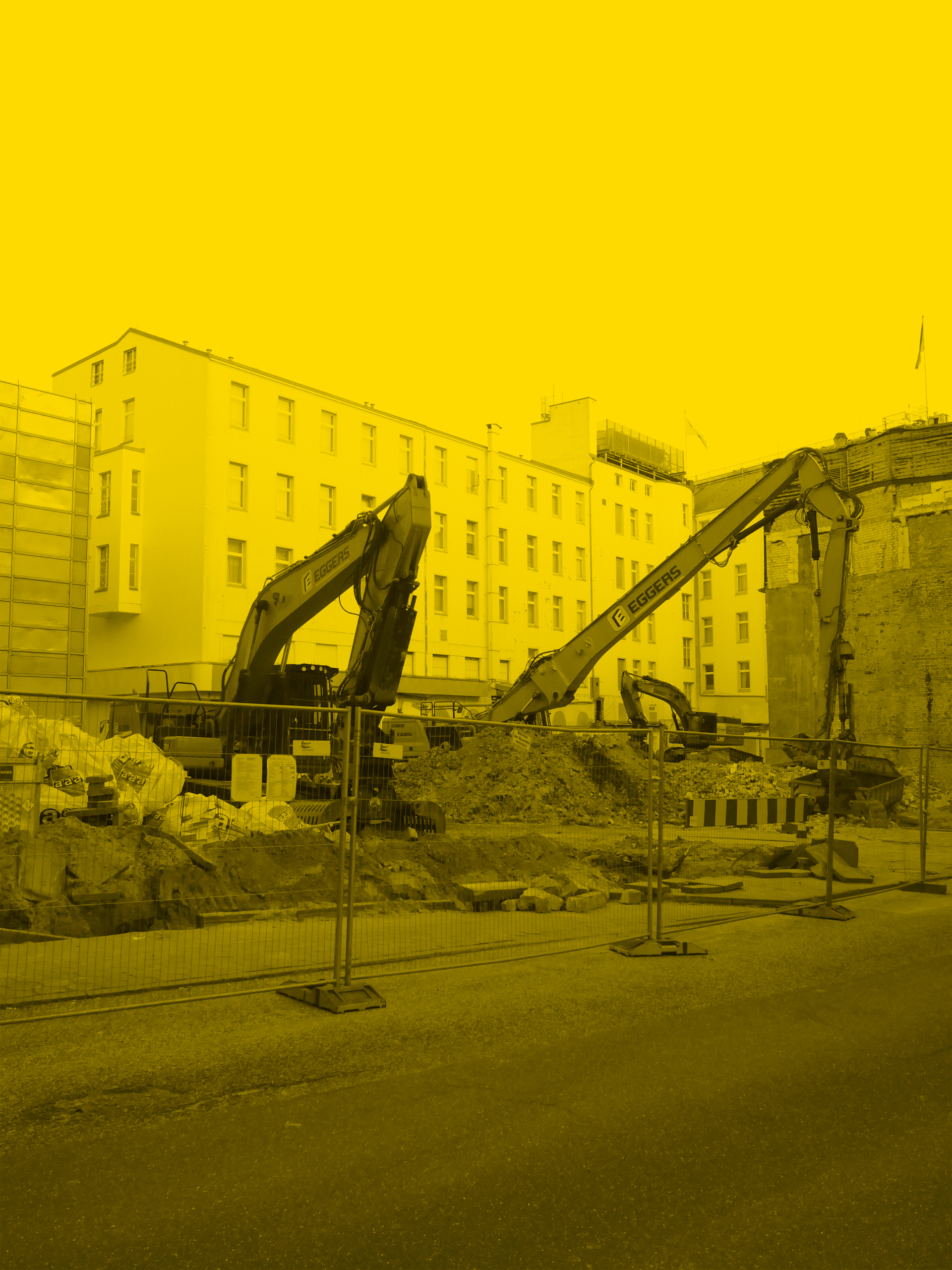
That’s the first point, carbon, and of course it’s important but it’s only the start of a chain of consequences. Beyond carbon, there’s the immediate, direct, negative impact of demolition on site. As a telling example, a residential building is being demolished right next to my workspace right now, and it’s an absolute nuisance for the area. The street is blocked, there’s a huge amount of dust and noise, health impacts that the talk on demolition almost never addresses. And the reality is: even when they claim they’re carefully demolishing, it’s not true. It’s simply too expensive to dismantle things properly. I’ve seen this happen here, in a very wealthy country where it shouldn’t, where the building elements are thrown straight down because sorting and salvaging would take too much time and money. Then there’s the issue of displacement and gentrification. Where does demolition happen?
Make a map that overlaps income and demolition activities—when you demolish, you evict people. They have to find somewhere else to live. Rents are already atrocious, and I’m not even talking about the cost of buying property. People are pushed out of the city, and the result is often a homogeneous population of wealthy residents, depending on where this is happening. And then there are all the “soft values, non measurables” no one really wants to talk about, that don’t fit in Life Cylcle Assessments. What happens when your building is demolished, your life uprooted? Networks are dismantled: You lose your babysitter, your neighbour, your memories, a sense of belonging. All these things that don’t fit neatly into a spreadsheet. But actually, they could: what’s the cost of finding a new babysitter, for example? That’s just one small example, but it’s part of the picture. I’m not even addressing heritage and preservation here. Of course there are buildings considered historically valuable, but I find that argument slightly slippery. Who decides what is valuable? Is it because some “important man” once slept there? Or because it displays a particular style or construction craft? Or because it fits into a certain narrative of value? This kind of heritage argument has its own edge and complications. Yet, for all of these reasons, we should stop demolishing.