
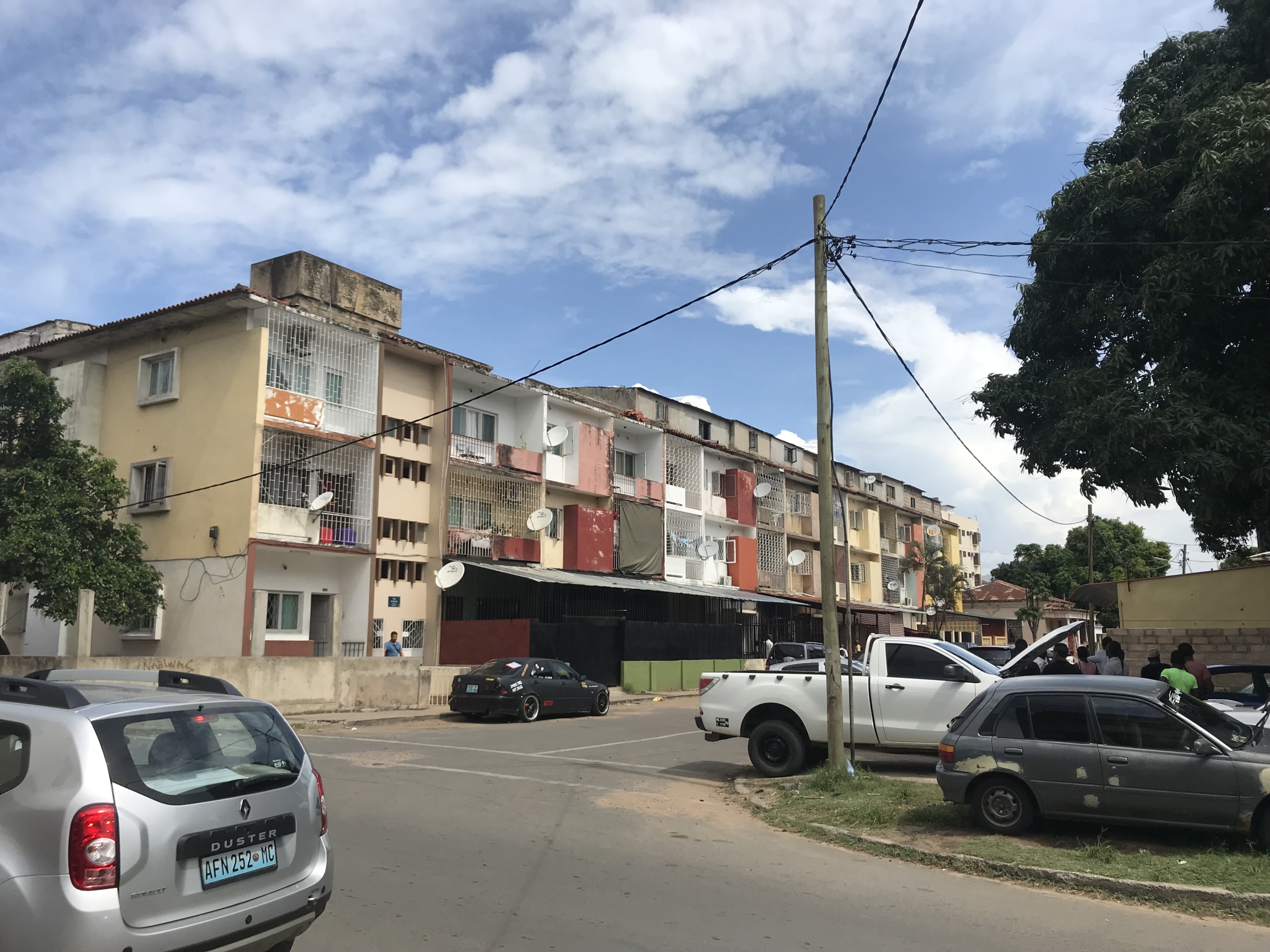
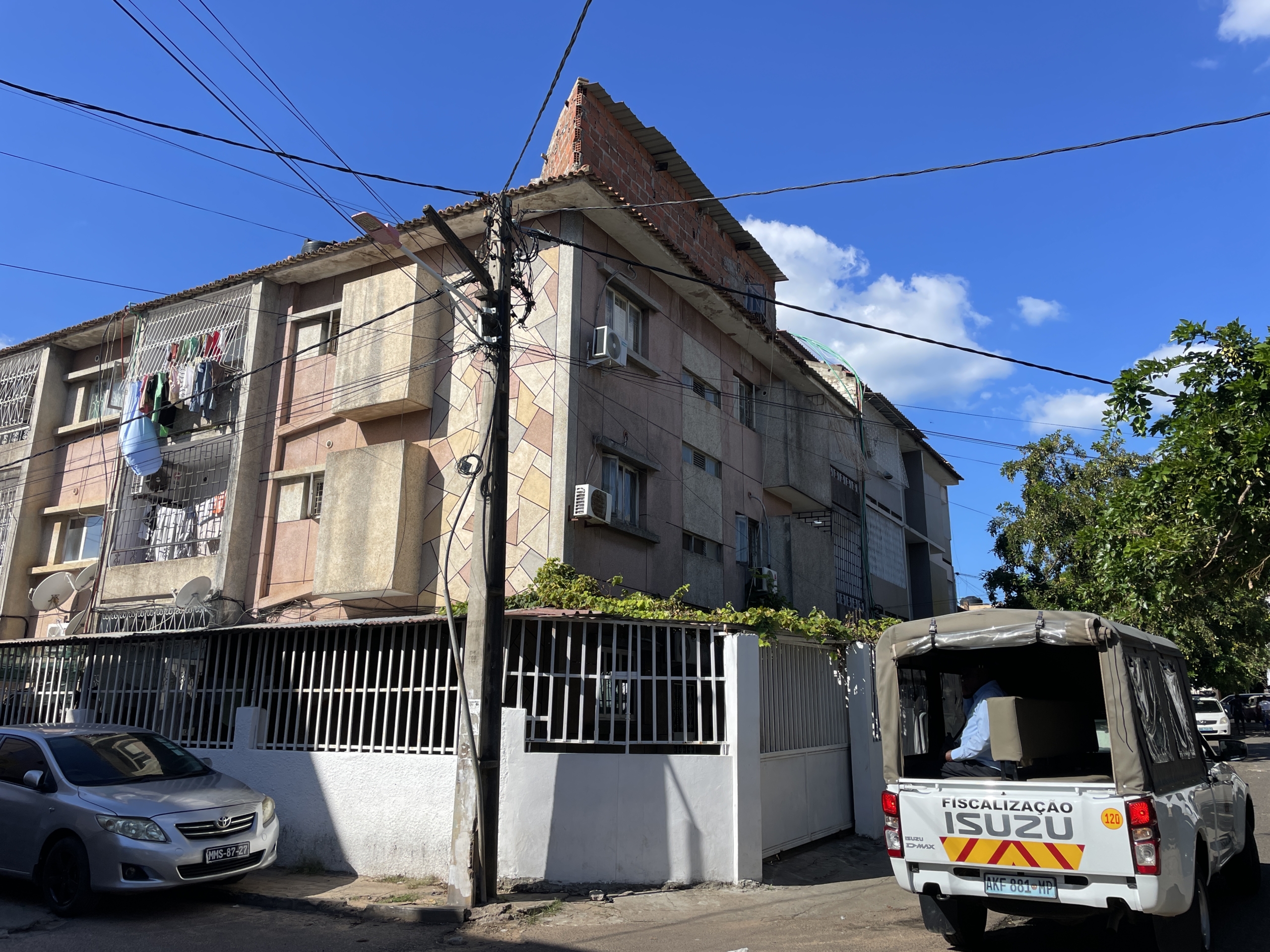
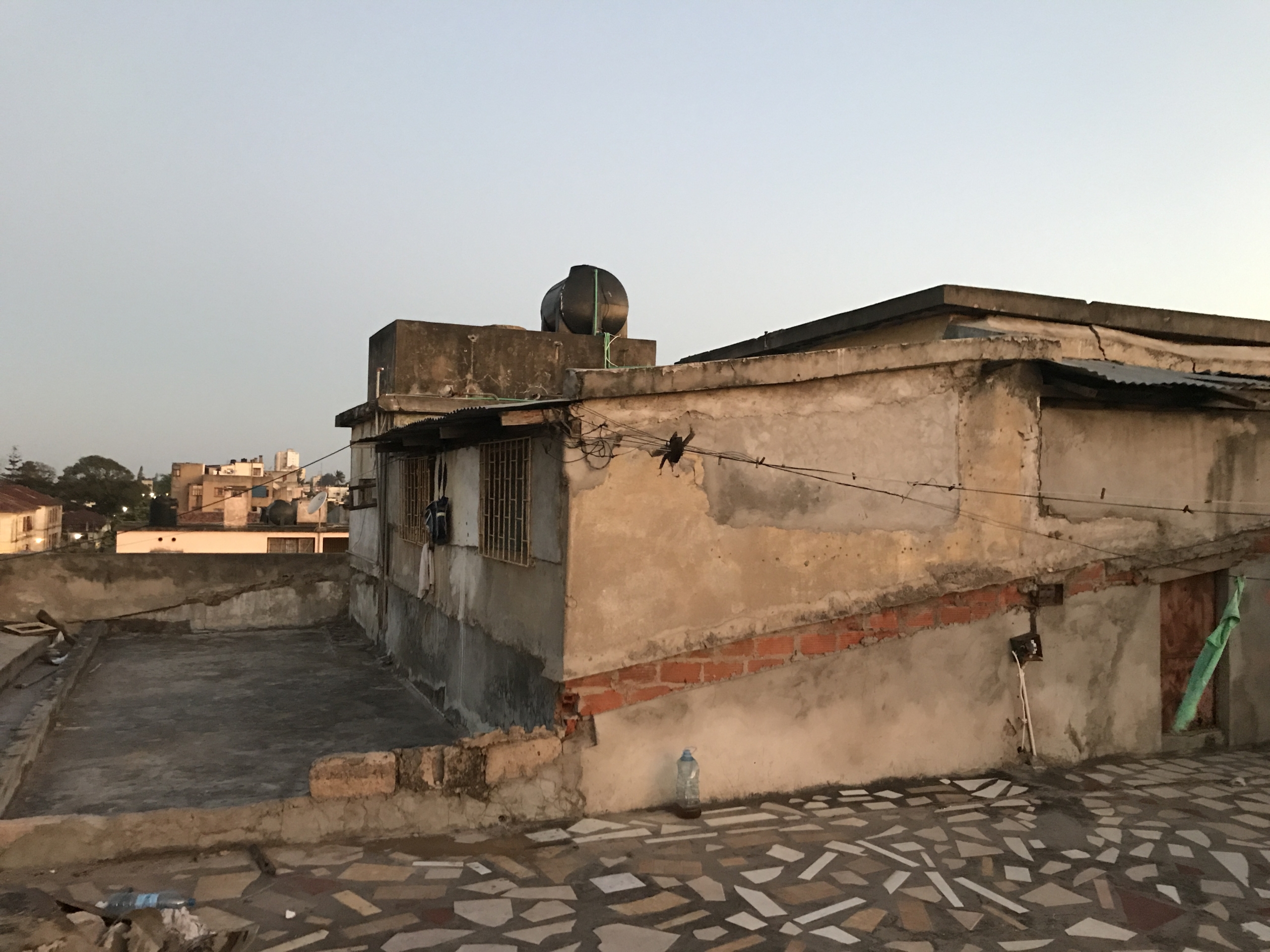
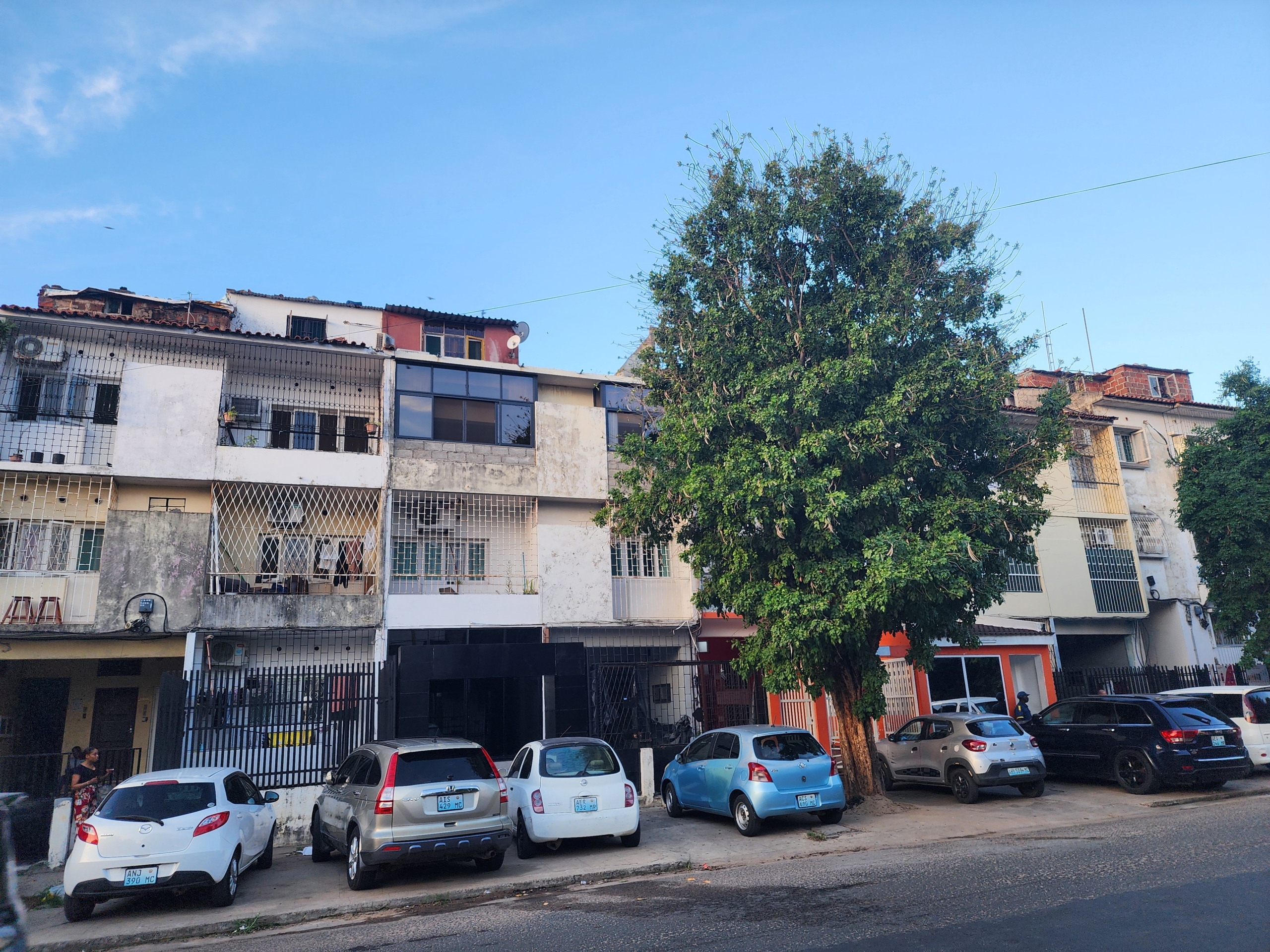
Across sub-Saharan Africa, cities are growing upwards in ways that often escape formal planning. New rooms appear on rooftops, extra floors are added to existing buildings, and homes expand vertically as residents respond to land scarcity, housing shortages and changing family needs. These transformations are becoming an important part of urban development, yet we still know surprisingly little about how they reshape cities and everyday life.
Vertical Informality investigates this overlooked form of urban growth through the case of Maputo, Mozambique, where informal vertical extensions increasingly blur the boundaries between planned and unplanned city-making. Rather than treating informality simply as a problem or a failure of regulation, the project asks what these building practices reveal about how cities actually develop: who is able to build, who decides what is permitted, and how new spaces change social relations, neighbourhoods and urban governance.
Bringing together architecture, anthropology and history, the project combines spatial mapping, architectural surveys, archival research and ethnographic fieldwork. By connecting transformations at the scale of buildings and neighbourhoods with wider political and historical processes, Vertical Informality sheds new light on how African cities are expanding and explores how planning might engage more effectively with the cities people are already making.
The research project is connected to Research Lab 1.
Facts
- Title of project: Vertical Informality: Investigating New Forms of Urban Expansion in sub-Saharan Africa
- Funding: Danmarks Frie Forskningsfond
- Years: 2026-2027
- PI: Morten Nielsen
- Project staff at AAA: Nikolai Brandes
- External Staff: Johan Mottelson (Royal Danish Academy, Copenhagen), Sandra Manuel (Universidade Eduardo Mondlane, Maputo)
CONTACT
Relateret
YOU MIGHT ALSO FIND THIS INTERESTING
RELATED CONTENT
 https://aarch.dk/wp-content/uploads/2023/03/IMG_8825wiberg-svendborg-x453.jpg
453
400
Mads
https://s3-eu-central-1.amazonaws.com/aarchdk/wp-content/uploads/2019/02/03164631/aarch-logo-dark.svg
Mads2023-03-01 13:41:552026-01-19 14:17:20KYSTBYER OG HAVSTIGNING
 https://aarch.dk/wp-content/uploads/2022/11/ARCH4CHANGE02.png
1784
2134
Signe Janderup
https://s3-eu-central-1.amazonaws.com/aarchdk/wp-content/uploads/2019/02/03164631/aarch-logo-dark.svg
Signe Janderup2022-11-11 10:51:462026-01-19 13:57:43ARCH4CHANGE
 https://aarch.dk/wp-content/uploads/2019/08/GroenKasse_400x453.jpg
453
400
Signe Janderup
https://s3-eu-central-1.amazonaws.com/aarchdk/wp-content/uploads/2019/02/03164631/aarch-logo-dark.svg
Signe Janderup2022-10-12 07:35:452025-03-24 12:52:17Om Forskningslab 1
 https://aarch.dk/wp-content/uploads/2022/10/Eskelund-pavilloner-400x453-1.jpg
453
400
Signe Janderup
https://s3-eu-central-1.amazonaws.com/aarchdk/wp-content/uploads/2019/02/03164631/aarch-logo-dark.svg
Signe Janderup2022-10-12 07:24:172022-11-16 10:23:42Forskningsprojekter
 https://aarch.dk/wp-content/uploads/2022/10/Phd-projekter_teaser_600x500.jpg
500
600
Signe Janderup
https://s3-eu-central-1.amazonaws.com/aarchdk/wp-content/uploads/2019/02/03164631/aarch-logo-dark.svg
Signe Janderup2022-10-11 11:21:112022-11-30 09:31:19Ph.D.-projekter
 https://aarch.dk/wp-content/uploads/2020/02/Wiberg.jpg
442
725
Signe Janderup
https://s3-eu-central-1.amazonaws.com/aarchdk/wp-content/uploads/2019/02/03164631/aarch-logo-dark.svg
Signe Janderup2022-10-10 13:53:412022-12-02 12:50:08Nyheder fra Forskningslab 1
 Odense
https://aarch.dk/wp-content/uploads/2020/09/Missing-Link_Odense-scaled.jpg
1810
2560
Signe Janderup
https://s3-eu-central-1.amazonaws.com/aarchdk/wp-content/uploads/2019/02/03164631/aarch-logo-dark.svg
Signe Janderup2020-09-09 09:46:282026-01-19 14:10:25The Missing Link – Når vandene mødes i byen
 https://aarch.dk/wp-content/uploads/2018/10/IMG_0488-kopi-2.png
3648
4864
Signe Janderup
https://s3-eu-central-1.amazonaws.com/aarchdk/wp-content/uploads/2019/02/03164631/aarch-logo-dark.svg
Signe Janderup2018-10-22 11:00:512024-11-14 12:56:59Modulsystemer I Bygningskulturarven
 https://aarch.dk/wp-content/uploads/2018/10/Østjyskmotorvej.png
600
800
Signe Janderup
https://s3-eu-central-1.amazonaws.com/aarchdk/wp-content/uploads/2019/02/03164631/aarch-logo-dark.svg
Signe Janderup2018-10-22 10:22:042022-11-16 10:23:34Strukturbillede Østjylland
 https://aarch.dk/wp-content/uploads/2018/10/Gentækning-af-kystby-1.png
3456
3452
Signe Janderup
https://s3-eu-central-1.amazonaws.com/aarchdk/wp-content/uploads/2019/02/03164631/aarch-logo-dark.svg
Signe Janderup2018-10-22 09:52:342024-11-14 12:46:37Gentænkning af turisme i en kystby
 https://aarch.dk/wp-content/uploads/2018/10/ANTROPOCÆN_TOUR_de_ESKELUND_001_2017_04_051.png
2479
3306
Signe Janderup
https://s3-eu-central-1.amazonaws.com/aarchdk/wp-content/uploads/2019/02/03164631/aarch-logo-dark.svg
Signe Janderup2018-10-19 14:59:082024-11-13 14:08:59Atmosfærer i den urbane Antropocæn
 https://aarch.dk/wp-content/uploads/2018/10/Badehuse-Ærø.800X533.jpg
533
800
Signe Janderup
https://s3-eu-central-1.amazonaws.com/aarchdk/wp-content/uploads/2019/02/03164631/aarch-logo-dark.svg
Signe Janderup2018-10-08 15:47:432026-01-19 14:15:49Screening af kulturmiljøer
Denne side er ikke tilgængelig på dansk.


